
How do I get to GOOD?



Here’s the million dollar question, because most large medical clinics have switched to “efficient” thyroid testing, which I would call perhaps efficient but in the long term, absolutely insufficient. Bare bones testing checks just the TSH (the messenger from the brain’s control center, turning on thyroid hormone production) with a “reflex to T4”, the free T4 only ordered if the TSH crosses a worrisome threshold, usually set too high, in my opinion. Such testing will identify “overt” hypothyroidism, namely when there is an elevated TSH and a sub-normal T4 level.

I have about 45 minutes each work day during which I choose to listen to podcasts relevant to the work I love to do with my patients. A recent fave podcast broke down a question common in any medical practice: how does a given individual LOSE or GAIN fat in their body? The approach is so logical and so comprehensive that I found it immensely appealing and just had to share it, so here goes.

“P.S. I’m over 50 and one or more of the following is also true about me: high blood pressure, my waist is bigger than my hips, my waistline is bigger than my hips, I’ve been overweight for more than five years, I can lose weight repeatedly—but I always regain it, my triglycerides are high on my cholesterol test, my blood sugar is a little high, I am a woman who has had babies weighing 9 lbs or more.”

What Is Known About Metabolic SyndromeHealthy Steps: Metabolic Syndrome—First StepsHealthy Steps: Metabolic Syndrome—Full ProgramPreventing Metabolic SyndromeFrom Dr. Deborah’s Desk “You’re telling me I have a condition I’ve never heard of, but it’s dangerous because now I’m likely to get diabetes, or heart disease…or cancer?” I’d hoped to raise the subject more delicately, but it was […]

Thanks to Aldo Baker and the other folks at Fix.com for this wonderful infographic on finding low mercury fish!
The only way to know whether your current mercury levels is to be tested. I use urine tests in my practice, and recommend cilantro in various forms as a good detoxifying food.

The synthesis of thyroid hormone, and its regulation, are complicated! If you’ve followed my Thyroid Thicket series, you have an overview of approaching someone who might be considered to have thyroid hormones.
One of the details mentioned early in Part Three is that if you have low iodine, you might normalize thyroid levels by simply replacing iodine (or zinc, or magnesium).

What Is Known About Hashimoto’s Thyroiditis Healthy Steps: Hashimoto’s Thyroiditis—First Steps Healthy Steps: Hashimoto’s Thyroiditis—Full Program From Dr. Deborah’s Desk Something is not quite right, but it’s not necessarily dramatic. Some feature of your vitality is, well, just a little bit under the weather. It could be a sinking of mood or energy, a little […]
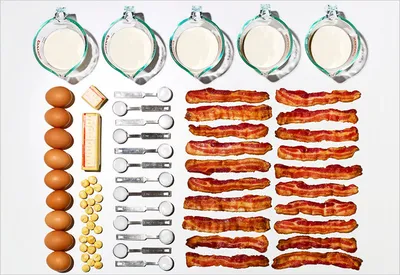
A ketogenic diet is one that encourages your body to rely less on sugar-based fuels and rather to turn to fat and ketones (produced in the liver by metabolizing fat) for fuel.

The recent Weston A Price Foundation’s annual Wise Traditions Conference (Atlanta, November 8-10, 2013) was an event rich with wisdom, fantastic food, entertainment, and friendly faces new and old. I’d like to share with you a take-away pearl from each of the sessions I attended.

Testing for food allergies is controversial. Conventional and integrative physicians line up on opposite sides of blood testing, skin testing, and the ultimate issue of whether food allergies are a serious problem or not. However, any physician who has spent much time listening to patients knows that food allergies are real and that food allergy tests are not always reliable.
Researchers in Scotland report that when after reviewing the health records of over 37,000 people born since 1950, they found that those people whose mothers had been obese at their first prenatal checkup tended to die prematurely from various causes, compared to the children born to normal weight mothers.

The last part of my series addresses the fitness questions and challenges for those who are metabolically healthy, who even carry the right amount of body weight, but want to know what nutritional steps they can take to optimize their performance.

One of the variables hardest to study in a diet is sustainability: many different eating plans result in short-term weight loss, but which can keep you satisfied for the long haul? Recent studies, including this one, have found a Paleo Diet superior to other options in the treatment of type 2 diabetics. On the Paleo Diet, diabetics lose more weight and improve their laboratory tests as well.
What perfect timing! Just as Americans are heading to the beaches and mountains for some added exercise and recreation, the press headlines let us know: we are indeed exercising more, as we’ve been told to do, but unfortunately, we are no thinner for it. Our poundage is expanding despite the increased exercise!
News story in the headlines this week: concurrent with our ever increasing national waistline, we are indeed following the conventional medical advice.

We’ve learned our lesson – the liquid diets of the 1970’s wreaked havoc with dieters’ health and even cost some their lives. In my own practice, I have had several patients whose liquid diet damage to kidneys and gall bladder led them to consult an alternative and integrative approach. So we’ve learned our lesson, or have we?
Good question that I’d love to talk about. Each individual’s dietary strategy is a response to their own unique metabolic or physiological need. I talk about low carb and Paleo the most because they apply to the broadest range of dietary needs, and frequently start people with a standard form of one or the other. After a few weeks on a general eating plan, we make individual adjustments according to that person’s response to the plan so far.

I have been concerned recently with the way we physicians make a diagnosis of insulin resistance: we’re late. We wait to make the diagnosis until it’s “definite”, but by then it’s also advanced and more difficult to reverse. Meanwhile, we have often been overlooking brilliantly colored red flags along a long and winding road of disease development. Happily, there are ways you can speed up the process through your own awareness of a potential problem.
When I offer a patient my medical opinion that for whatever ails them they should eliminate grains, I often hear from the patient or the family, “But aren’t grains an important part of a balanced diet?”

I understand loving the taste of grains. Now that I’ve spent the better part of a year without gluten, months without grains, I can still admit that I have loved grains in my life. When posed the “Name one food to have on a desert island” question, I was always torn between eggs and brown rice. If I could have had two foods (butter!), I would have gone with the rice. And if we’re talking about more complex foods, who doesn’t love freshly baked whole grain bread?

Twice over the last month, articles in the general media have reported that the link has been found between certain foods (red meat and eggs) and heart disease, as if that causation is known and undisputed. The real “behind the headlines” story is that the titles of the articles and the impact of the actual science seem quite far apart.
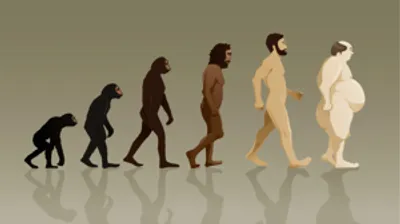
The Paleo Diet has been inspired by the study of our own human history. The Paleolithic Period began about 2.6 million years ago with the first use of stone tools by pre-historic humans and ended about 10,000 years ago. In the Paleolithic Period, humans formed small groups and survived by hunting and gathering food. The end of the Paleolithic Period is marked by human groups settling in one era, introducing agriculture, religion and culture that has survived to the current day.

The second session of my class on losing it (weight, inches or inflammation – or all three!) is underway, and for those who didn’t make it into the class, I want to talk about the main focus of the class: reducing carbohydrate intake.
People mutter that phrase as if it’s a bad thing, but isn’t learning one of life’s great excitements? I’ve been a student of nutrition for almost fifty years, learning from both old masters and new innovators. The thought of studying nutrition in and of itself was fairly innovative when I started reading Adele Davis in the 1970’s, particularly when I tried to incorporate nutritional wisdom (Davis, Francis Moore Lappé, Harvey Diamond) into my medical school curriculum.
A wonderful warm dish for a winter’s evening that nourishes your heart.
Live, Lose, and Learn, part 1 of 6
Throughout the Northern Hemisphere, people who love to row are renewing their annual winter friendship with the rowing machine, known as the ergometer (ur-GAW-muh-tur) or more affectionately as just the erg.
You surely don’t need to be a research scientist to see the flaws in the utterly ridiculous study whose findings that recently made the news. Researchers in Canada surveyed over 1200 middle aged men and women in a vascular prevention clinic where they were referred after suffering a stroke or “mini-stroke.” The study participants were asked to recall their egg yolk consumption over their lifetime.
Magnesium is a chemical element that chemists refer to by the symbol Mg, but Mg never exists by itself anywhere on the planet. It is embedded in rocks, or molten in earth, or dissolved in seawater.
Two sobering stories released about adolescents and cardiovascular risk. The first catalogues the distressing degree of cardiovascular disease present in today’s teens, with 2-3 or more cardiovascular risk factors present in the overweight and obese teens.
The Institute of Medicine (IOM) is still wrong. Reflecting on the obesity epidemic, an IOM spokesperson laments that “People have heard the advice to eat less and move more for years, and during that time a large number of Americans have become obese.
I am amazed that most of the comments and the implications of Mr. Hoffman’s writing is that fat people are gluttonous and slothful, somehow deficient as human beings, and that is why they are fat.
Nutritional studies are notoriously difficult to perform with certainty. Nevertheless, each new study result can be compared to what we already know to gauge its worthiness. In this study, known dietary habits were sifted against tested cognitive ability.
One of my goals is to help you sift through the often conflicting information you might read from different “healthy news” sources. Dr. Weil recently picked up a story from the news and suggested, just like the research rats, you trade one poison for another.
Are you shocked to learn that people are taking drastic measures to lose weight? A recent story in the Huffington Post reported that eager dieters, particularly glowing brides-to-be, are putting tubes down their noses to bypass eating as a means to lose weight. Are they are making a rational response to the illogic of most dietary advice?
Sugar-sweetened sodas contribute to weight gain, diabetes, hypertension, high cholesterol, gout, coronary artery disease, and strokes as well, in amounts as low as one soda a day. The findings associating soda consumption and strokes are detailed in a study conducted by researchers at Cleveland Clinic’s Wellness Institute and Harvard University.
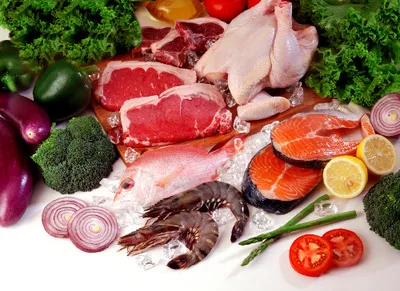
Success at following a low carbohydrates life style comes most readily with a few cautionary suggestions.
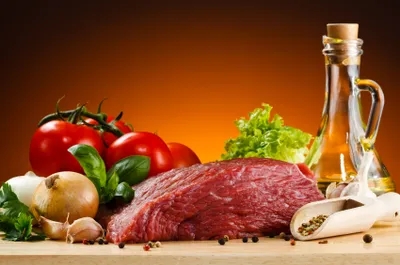
Interest in the Mediterranean Diet began with the attention of Ancel Keys in the 1950’s when he learned of the historically low incidence of heart disease in Italy. Keys described the diet and then made an error of scientific judgment. He assumed the post-war, low-cholesterol, low-fat diet he saw was the cause for the low rate of heart disease.

From 2004 to 2012, federal and state agents have conducted armed sting operations across America, raiding farms and issuing criminal warrants for farmers and shopkeepers from California to Pennsylvania. A few were even arrested. Were they after drug smugglers, perhaps? Or pursuing a threat to national intelligence?

Lucky parents have the opportunity to prepare themselves for a pregnancy, selecting the ideal time for the pregnancy and optimizing their health before conception. It is impossible to start too soon. Although the sperm and egg cells are only in production for a few months, the longer the body producing those cells has enjoyed living in a healthy manner, the healthier the baby will be.

What Is Known About Type 2 DiabetesHealthy Steps: Type 2 Diabetes—First StepsHealthy Steps: Type 2 Diabetes—Full ProgramPreventing Type 2 DiabetesFrom Dr. Deborah’s Desk Type 2 diabetes is epidemic, both in the United States and around the world. Although common in the obese population, we are seeing a new and troublesome trend of diabetes and pre-diabetes […]

What Is Known about Obesity Healthy Steps: Obesity—First Steps Healthy Steps: Obesity—Full Program Obesity Prevention From Dr. Deborah’s Desk Have you noticed a slowly increasing waist size? The first sign may be that last year’s bathing suit doesn’t fit, but the steps to follow are much worse. For both men and women, even loose shirts […]
Fad diets come and go, but in my practice, I follow the science more carefully than I follow the fads. In doing so, I have been tremendously impressed with the work of Gary Taubes, who has meticulously detailed the science behind the low-carbohydrate diet trends. He is not alone.

While Candida albicans—a type of yeast species—is normally found in our digestive tract and on our skin, it can easily grow out of control when fueled by a combination of dietary and lifestyle factors. Millions of people suffer from the effects of Candida overgrowth that result in or complicate a wide range of conditions and symptoms.
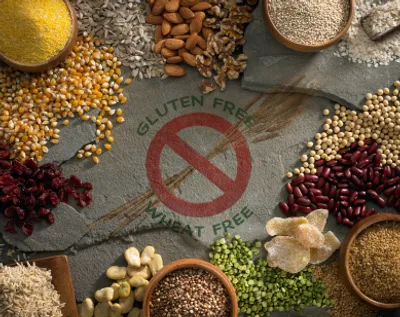
Not surprisingly, gluten comes from the Latin word for glue. Wonderful qualities of elasticity and buoyancy derive from gluten’s self-adherent stickiness.

I’ll start right off with admitting that it’s a little naive to imagine that there is a single “Ideal Diet” that works for everyone. From decades of clinical practice, individual variability is the principle of reality that is most often confirmed in my clinical experience. So I encourage you to consider this diet as a set of guidelines, and perform gentle personal exploration to determine which form of the eating plan works best for you.
Makes 1 quart1 quart whole milk, preferably raw but not ultra pasteurizedabout 1/4 cup buttermilk culture*
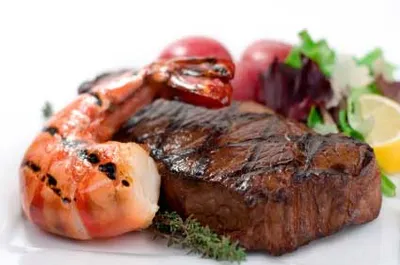
For decades, we have been pummeled by the message that saturated fats such as those in butter and meat are bad for us and that a low-fat diet is good for the heart and blood vessels. But where did this information about fat and cholesterol come from, and is it really accurate?
Before we answer that question, let’s take a look at the different types of fats and the foods from which they are derived.
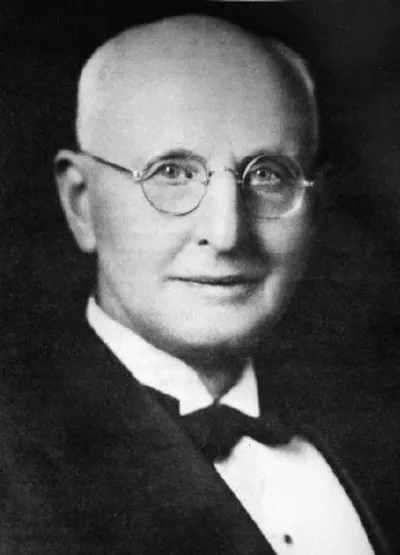
One of the fastest growing nutritional organizations and websites is the Weston Price Foundation, named for Dr. Weston A. Price, a Cleveland dentist who traveled the world in the 1920s, looking for the healthiest people on earth. What does modern nutritional science have to learn from a world traveler of a previous century?